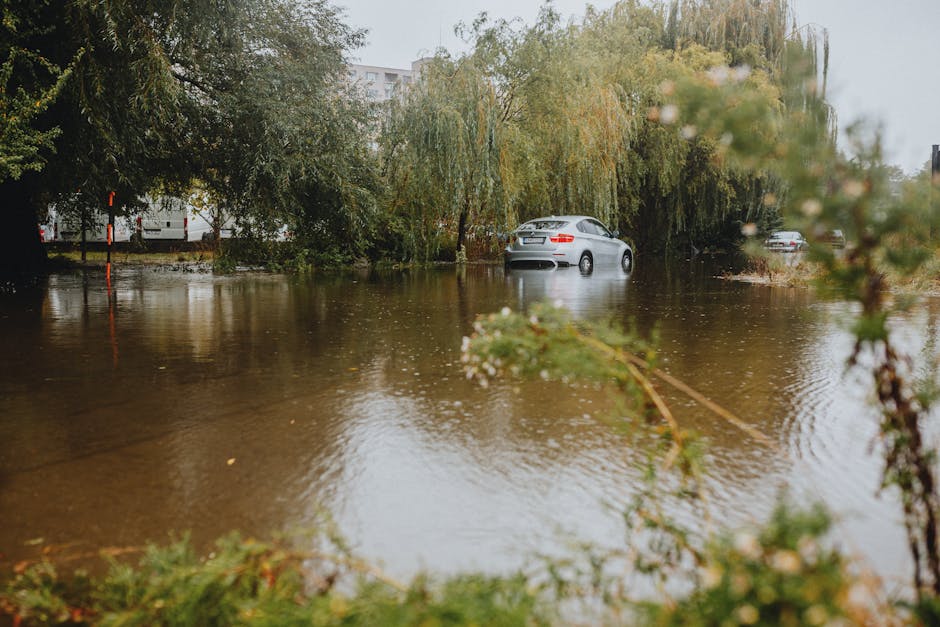
Emergency flood cleaning in Kennington what to expect
If you've just walked into a flooded kitchen, a soaked hallway, or a flat that smells faintly of damp and panic, you probably want one thing first: a clear idea of what happens next. That is exactly what this guide on Emergency flood cleaning in Kennington what to expect is for. The first hour matters, but so does the next day, and the follow-up after that. In other words, a proper flood clean is not just mopping up water and hoping for the best. It is a structured, careful process that protects your home, belongings, and health.
In Kennington, flood incidents can happen for very ordinary reasons: a burst pipe, overflowing appliances, heavy rain getting into a lower-level property, or wastewater backing up. Whatever the cause, the response should be fast, calm, and methodical. Below, you'll find what emergency flood cleaning involves, how it usually works, what good service looks like, and the mistakes worth avoiding. A soggy carpet is annoying enough. Hidden moisture is the bit that causes the real trouble.
Table of Contents
- Why Emergency flood cleaning in Kennington what to expect Matters
- How Emergency flood cleaning in Kennington what to expect Works
- Key Benefits and Practical Advantages
- Who This Is For and When It Makes Sense
- Step-by-Step Guidance
- Expert Tips for Better Results
- Common Mistakes to Avoid
- Tools, Resources and Recommendations
- Law, Compliance, Standards, or Best Practice
- Options, Methods, or Comparison Table
- Case Study or Real-World Example
- Practical Checklist
- Conclusion
- Frequently Asked Questions
Why Emergency flood cleaning in Kennington what to expect Matters
Floodwater is never just water. That sounds obvious, but in real life it's easy to underestimate what has been carried into a room. Clean tap water may be one thing; grey water from appliances or dirty water from drains is another level entirely. Even when the water looks clear, it can still soak into skirting boards, under floorboards, into plaster, and behind fitted furniture. If that moisture is left behind, mould can begin to develop, odours settle in, and materials can weaken over time.
That is why emergency flood cleaning is about more than the visible mess. The aim is to stabilise the area quickly, reduce further damage, and make sure the property dries properly. In Kennington, where homes can include period terraces, flats, basements, and mixed-use buildings, the hidden parts of a flood often matter just as much as the obvious ones. A small amount of water in the wrong place can become a larger repair job surprisingly fast.
Let's face it: when your home is already stressful, you do not want a service that arrives, wipes down what it can see, and leaves the rest to chance. What you want is a clear process, sensible advice, and someone who knows which materials can be saved and which should be removed before they turn into a bigger headache.
Expert summary: The best emergency flood cleaning is not the fastest-looking clean; it is the one that removes water, controls contamination, checks for hidden moisture, and gives the property a proper drying plan.
For many homeowners and tenants, speed also affects insurance conversations later. Prompt documentation, sensible action, and accurate notes help show that the situation was handled responsibly. Even if you are not making a claim, that organised approach is simply less painful in the long run.
How Emergency flood cleaning in Kennington what to expect Works
The exact process depends on the type of flood, the size of the affected area, and how long the water has been sitting there. Still, a good emergency response usually follows the same broad steps. Think of it like triage first, deep clean second, drying third. Messy, yes. But logical.
1. Initial assessment
The first job is to understand where the water came from and how far it has spread. A technician will normally look at floors, walls, furniture, electrical risks, and signs that water has moved under surfaces. If the flood source is still active, the first priority is to stop it or make the area safe.
2. Safety checks
Flooding around sockets, appliances, fuse boards, or lighting needs caution. Electricity and water do not mix well, to put it mildly. The affected area may be isolated until it is safe to work in. A careful team will not rush this step just to look efficient.
3. Water removal
Standing water is removed using extraction equipment, wet vacuums, pumps, or absorbent methods depending on the surface and depth. The goal is to reduce saturation quickly, because the longer water stays in place, the more likely it is to spread into building materials.
4. Cleaning and sanitising
Once the standing water is under control, contaminated surfaces are cleaned. This may include floors, hard furniture, and washable walls or fixtures. If the flood involved wastewater or dirty water, sanitising becomes especially important. In plain English, this is where the area goes from "drying out" to "safe enough to use again."
5. Drying and dehumidification
This is often the most underestimated part. Fans, air movers, and dehumidifiers may be used to pull moisture out of the room and the building fabric. Drying can take time, sometimes several days depending on the damage. You may be asked to keep windows closed during parts of the process, which feels a bit counterintuitive but often makes sense for controlled drying.
6. Monitoring and follow-up
Moisture readings, visual checks, and repeat visits may be needed. Good flood cleaning is not a one-and-done job. It's more like checking the cake in the oven than admiring it from the doorway.
In practical terms, you should expect a service that explains what they are doing and why. If nobody can explain the drying plan in simple language, that's a yellow flag.
Key Benefits and Practical Advantages
Emergency flood cleaning is valuable because it does several jobs at once. It protects the building, reduces health risks, and gives you a structured way to deal with an unpleasant event. The best outcomes usually come from quick action, but quick action only helps if it is the right action.
- Less structural damage: Fast water removal and drying help limit damage to floors, walls, and joinery.
- Lower mould risk: Damp spaces are prime territory for mould if they are left untreated.
- Better recovery of belongings: The sooner textiles, furniture, and salvageable items are dealt with, the more can often be saved.
- Safer living conditions: Cleaning and sanitising reduce contamination, odours, and slip hazards.
- Clearer decision-making: A proper assessment helps you know what can be dried, what needs replacing, and what to monitor.
- Less disruption: A measured response often means fewer surprises later, which is a relief when you're already dealing with enough.
One practical benefit people often miss is speed of recovery for routine life. If the kitchen, hallway, or bedroom is cleaned and dried properly, you can get back to living normally far sooner. That matters more than people expect. A flooded home is not just a technical issue; it is a daily-life issue.
And yes, there is a financial side too. Preventing secondary damage is usually far better value than repairing material that should have been dried or removed earlier. No mystery there.
Who This Is For and When It Makes Sense
Emergency flood cleaning is for anyone dealing with sudden water ingress, but the urgency can vary. A small clean-water leak on a tiled floor is not the same as a soaked living room carpet after a drain issue. Still, both deserve attention.
This service usually makes sense if you are facing any of the following:
- Burst pipes or plumbing failures
- Overflowing toilets, sinks, or washing machines
- Heavy rain entering through doors, windows, or roofs
- Flooding in basements, ground-floor rooms, or flats
- Water damage affecting carpets, wood, laminate, plaster, or stored items
- Persistent damp smells after a leak
- Potential contamination from dirty water or sewer backflow
In Kennington, properties can vary quite a bit, and that matters. A basement flat near busy roads may face a different risk profile to a top-floor flat or a family home with timber floors. Older materials often soak differently too. So the same flood can behave very differently from one property to the next. That's why experience on the ground counts.
If the room is small and the water shallow, you may think about handling the first clean-up yourself. Fair enough. But if water has gone under flooring, into walls, or into electrics, professional help is usually the sensible call. It saves time, and often saves money later as well.
Step-by-Step Guidance
If you want to know what to expect from an emergency response, it helps to picture the process in order. Here's a practical step-by-step outline.
- Make the area safe. Turn off water if the source is active. Avoid standing water near electrics. If you are unsure, do not take risks.
- Move valuables. Lift important documents, soft furnishings, rugs, and loose items to a dry area.
- Take photos. Before anything is moved or cleaned, capture the damage. This can be useful for your own records and any claim.
- Call for emergency flood cleaning. Explain the water source, room size, flooring type, and whether the water is clean or contaminated.
- Expect an assessment. A good team will inspect visible damage and look for hidden moisture pathways.
- Water extraction happens first. Standing water is removed before deeper cleaning starts.
- Cleaning and sanitising follow. This includes affected hard surfaces and sometimes partial removal of damaged materials.
- Drying equipment is installed. Fans and dehumidifiers may be left in place for monitored drying.
- Return visits may be needed. Moisture readings help decide when the property is dry enough.
- Repairs or reinstatement come last. This could involve replacing flooring, skirting, or other damaged finishes.
A small but important detail: drying is not always silent or tidy. Machines can hum, doorways may be kept clear, and some rooms may feel awkward to live around for a few days. It's a bit of a nuisance, admittedly, but it is usually temporary and worth it.
If you are managing the situation yourself while waiting for help, keep the room ventilated only when advised, and avoid using household heaters directly on wet surfaces unless you've been told it is safe. Too much heat in the wrong place can make some materials warp or trap moisture inside them.
Expert Tips for Better Results
In our experience, the difference between a smooth recovery and a drawn-out one often comes down to a handful of very practical habits. Nothing glamorous. Just common sense applied early.
- Act quickly, but not recklessly. Speed helps, but don't walk into standing water near electrics.
- Keep a simple log. Note when the flood was noticed, what the cause appears to be, and what has already been turned off or moved.
- Lift items off damp floors. Even a small rise on blocks or chairs can reduce further soak-through.
- Do not assume dry means dry. A surface can feel fine while the material underneath is still holding moisture.
- Be realistic about salvage. Some porous materials can be saved, others really can't. That's not defeat, just judgement.
- Watch for smell changes. A persistent musty odour is often a clue that moisture is still present somewhere.
- Ask about drying goals. You should know what "dry enough" means for your specific materials.
A useful question to ask is: what is the likely hidden route of the water? Under skirting? Beneath laminate? Through a void? That question often leads to better decisions. It's not fancy, just smart.
Another tip: if you are living through the incident, keep one room as calm and usable as possible. A dry kettle, a charger, a clean towel, and somewhere to sit makes the rest of the disruption feel less overwhelming. Small things matter when your home has been turned upside down by water.
Common Mistakes to Avoid
Flood cleanup is one of those jobs where the obvious reaction is not always the best reaction. People mean well, but a few habits cause avoidable damage.
- Leaving water in place too long: The longer it sits, the more it spreads.
- Using household fans without a plan: Air movement helps, but random drying can miss trapped moisture.
- Covering wet materials: Putting rugs or furniture back too soon traps damp underneath.
- Ignoring smell or staining: A lingering odour often means the job is not finished.
- Rushing to reinstall flooring: Replacing finishes before the substrate is dry can lead to repeat problems.
- Assuming it's only a surface issue: Water often travels further than you think.
- Not checking insulation and voids: Hidden spaces can hold moisture for far longer than open rooms.
One of the most common mistakes is emotional, not technical: people want the room to look normal again fast, so they push furniture back and move on. Totally understandable. But a room can look presentable and still be damp underneath. That's where future trouble starts.
Also, if the flood source is not fully resolved, you may be cleaning the same mess twice. Not ideal, to say the least.
Tools, Resources and Recommendations
Not every flood situation needs the same equipment, but there are a few tools and resources that usually make a big difference. Some are for the professionals, some for the property owner, and some are simply useful to know about.
| Tool or Resource | What It Does | Why It Matters |
|---|---|---|
| Water extraction equipment | Removes standing water quickly | Reduces spread into floors and walls |
| Dehumidifiers | Pulls moisture from the air | Supports controlled drying |
| Air movers | Improves air circulation around wet areas | Helps surfaces dry more evenly |
| Moisture meters | Checks how wet materials still are | Helps avoid premature reoccupation or reinstatement |
| Protective gloves and footwear | Protects against contamination and slips | Important if water quality is uncertain |
| Documented photos and notes | Records damage before and after cleaning | Useful for decisions and claims |
For homeowners and tenants, a few simple items can help while waiting for help: towels, buckets, a torch, a phone charger, and somewhere dry to store anything salvageable. If the flood is serious, though, leave the heavy lifting to trained people. There is no medal for improvising in waist-deep water.
It also helps to know your building layout a bit better than usual. Where are the stop taps? Which room is above the electrics? Is there a shared riser or basement access? Those details can save time in an emergency, especially in a London property where access is not always straightforward.
Law, Compliance, Standards, or Best Practice
Flood cleaning itself is not usually about a single law or a neat checklist from a handbook. It is more about working safely, handling contamination properly, and following recognised good practice. In the UK, that generally means sensible risk assessment, safe working around electrical hazards, proper PPE where needed, and careful disposal or treatment of contaminated materials.
If the flooding involved wastewater or sewage, hygiene and contamination become much more important. Materials that cannot be fully sanitised may need removal rather than cleaning. That can feel frustrating, but it is often the safer and more reliable option.
There is also a practical duty to avoid creating further damage. For example, aggressive cleaning on the wrong floor type can worsen warping or staining. Likewise, over-wetting a partially dry wall can make drying take longer. Best practice is usually measured, not dramatic.
If insurance is involved, keep records of what happened, when it happened, and what was done to reduce the damage. Photographs, notes, and any written advice from the cleaning team can all help later. Nothing fancy. Just disciplined record-keeping, which is a boring phrase but a useful habit.
For business premises or rented property, it may also be sensible to inform the landlord, managing agent, or insurer early. If there is any doubt about electrics, structural stability, or contaminated water, the area should stay restricted until checks are complete.
Options, Methods, or Comparison Table
Not every flood response is the same. Sometimes a light domestic clean is enough. Sometimes you need extraction, sanitising, drying equipment, and follow-up checks. The right method depends on what you are dealing with.
| Method | Best For | Strengths | Limitations |
|---|---|---|---|
| Basic clean-up | Small clean-water spills on hard surfaces | Quick and low disruption | Not suitable for hidden moisture or contamination |
| Extraction plus drying | Wet carpets, floors, and rooms with standing water | Removes water and reduces deeper damage | Needs equipment and monitoring |
| Cleaning with sanitising | Water affected by dirt or possible contamination | Improves hygiene and safety | May require material disposal |
| Full restorative dry-out | Severe flooding or water under floors and into voids | Addresses hidden moisture thoroughly | Longest process, often most disruptive |
So which one applies to your situation? That depends on the source, the extent, and the materials involved. A tiled hallway might dry out quickly. A carpeted room over timber floors can be a very different story. A lot of the judgement is in that middle ground where the damage looks manageable but isn't quite simple.
If you're unsure, ask for an assessment rather than guessing. Flood damage is one of those things where the "maybe it'll be fine" approach can come back and bite you later.
Case Study or Real-World Example
Here's a realistic example based on a common Kennington scenario. A tenant returns home after work to find water spread across a small living room and into the hallway. The source turns out to be an appliance leak that has been running for a while. The carpet feels heavy, the skirting is damp, and there is a faint smell that is not exactly encouraging.
The first step is to stop the leak and make the area safe. Next, the standing water is removed. The team then checks whether the water has reached the underlay and whether it has moved along the base of the walls. Because the room is carpeted and the leak has been active for some time, drying equipment is left in place rather than doing a quick surface mop and walk-away.
Over the next couple of days, moisture readings are taken to confirm that the underlay and subfloor are drying properly. Some furniture is moved, and a few items are set aside to dry separately. The room is inconvenient for a short period, yes. But the alternative would have been hidden damp and a much more expensive repair later.
The useful lesson here is simple: the visible puddle is only part of the job. The floor beneath it may hold the real problem. And if you catch it early, the room often recovers better than you'd expect.
Practical Checklist
Use this checklist if you are dealing with a flood right now or want to know whether the response you've received is thorough enough.
- Identify the water source and stop it if safe to do so
- Keep clear of electrics and switch off affected circuits if instructed by a qualified person
- Take photos of the room before moving anything
- Move dry belongings out of the affected area
- Remove standing water as soon as possible
- Check whether the water may be contaminated
- Ask what surfaces and materials will be cleaned, dried, or removed
- Confirm whether dehumidifiers or air movers are needed
- Ask how moisture will be monitored
- Keep pets and children away from the area until it is safe
- Document any damage for your records
- Do not reinstall flooring or furniture too early
Quick reminder: if a room looks dry but smells damp, treat that as a clue, not a coincidence. The smell is often telling you something useful.
Conclusion
Emergency flood cleaning in Kennington is really about turning a chaotic situation into a controlled one. You should expect fast assessment, safe water removal, careful cleaning, proper drying, and follow-up checks where needed. The best service does not just tidy the surface; it helps protect the structure of the property and reduces the risk of lingering damp, odours, and mould.
For homeowners, tenants, landlords, and businesses alike, the key is to act early and insist on a process that makes sense. If you know what should happen, it becomes easier to spot when a response is thorough and when it is just a quick wipe-down in disguise. And honestly, after a flood, clarity is a gift.
If you are dealing with water damage now, keep the area safe, document what you can, and ask for a proper drying plan before reopening the room fully. The right steps taken early can make a messy day feel a lot more manageable.
Get a free quote today and see how much you can save.
Frequently Asked Questions
How quickly should emergency flood cleaning start after water damage?
As soon as possible. The quicker water is removed and the area is assessed, the lower the chance of deeper damage to floors, walls, and furniture. Even a short delay can let moisture spread into hidden areas.
What should I do first when my property floods in Kennington?
Make the area safe, stop the water source if you can do so without risk, avoid electrics, and take photos before moving anything. Then arrange an emergency assessment and cleanup.
Does flood cleaning include drying as well as cleaning?
It should. Proper flood cleaning usually includes water extraction, cleaning or sanitising, and controlled drying. Skipping the drying stage is one of the biggest reasons problems return later.
Can flood-damaged carpet be saved?
Sometimes, yes, but it depends on the water source, how long it has been wet, and what lies underneath. Clean water on a carpet is more salvageable than contaminated water or a carpet with soaked underlay.
How do I know if the water is contaminated?
If the water came from a toilet, drain, overflow, or backup, assume it may be contaminated until assessed. Even water that looks harmless can still carry bacteria or leave behind unpleasant residues.
Will emergency flood cleaning remove the smell of damp?
It often can, but only if the moisture source is fully dealt with. If a smell remains, it may mean hidden water is still present in floors, walls, or voids.
Do I need to leave the property during flood cleaning?
Not always. It depends on the extent of the damage, whether electrics are affected, and how much equipment is in use. In some cases, you can stay in part of the property while the affected room is treated.
How long does flood drying usually take?
That varies a lot. Small incidents may dry in a shorter time, while larger or more complex cases can take several days or longer. The materials involved matter a great deal.
Is emergency flood cleaning covered by insurance?
It may be, depending on your policy and the cause of the flood. Check the wording carefully and keep records, photos, and any written notes from the response team. It's better to check early than assume later.
What if the flood happened in a flat or shared building?
You should notify the relevant people as soon as possible, which may include a landlord, managing agent, or neighbours if the source affects shared pipework. Access and coordination can matter more in flats than in standalone homes.
Can I just dry the room myself with a heater and open windows?
For a very small clean-water spill, maybe. But for anything larger, or where water has entered floors or walls, that approach is often not enough. It can leave hidden moisture behind and create bigger problems later.
What makes a good flood cleaning service worth using?
A good service explains the process clearly, checks for hidden moisture, uses the right equipment, and does not rush the drying stage. They should make you feel informed, not confused. That counts for a lot when the home is already under pressure.
Should I replace flooring immediately after a flood?
No, not until the area is fully dry and assessed. Replacing flooring too early can trap damp underneath and lead to future damage, odours, or mould growth.
What is the biggest mistake people make after a flood?
Probably assuming the room is fine once the visible water is gone. In reality, the hidden moisture is usually the thing that causes the most trouble, and that's the bit you want to catch early.
Kennington homes deserve a calm, careful response after flooding. Take it step by step, and don't let the mess rush the judgment. That part, oddly enough, makes all the difference.